
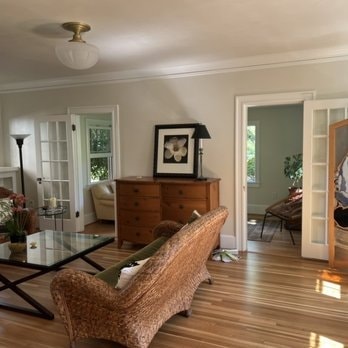
Historic Plaster Specialists — Portland, OR
Historic Lath-and-Plaster Repair & Residential Patching
Portland's trusted craftsmen for traditional plaster walls and ceilings — specializing in replicating difficult historic patterns and textures, residential patch repairs, and full restoration of historic stucco and plaster in Portland, OR and throughout the Pacific Northwest.
Traditional Plaster Deserves Specialized Repair
Historic lath-and-plaster is not the same as drywall. Applied by hand in multiple layers over wood or metal lath, traditional plaster creates a dense, durable surface with depth, mass, and character that modern sheet materials simply cannot replicate. The walls in a well-built 1920s Portland home are harder, quieter, and more fire-resistant than anything built with drywall — and with proper care, they will outlast the house itself.
Repairing it correctly requires understanding how the original system was built — the lath spacing, the scratch coat, the brown coat, the finish coat, and the way each layer bonds to the next. A patch that looks right on day one can fail within a season if the wrong materials are used or the substrate is not properly prepared. Dream Plastering has decades of experience working with historic plaster in Portland homes and commercial buildings throughout the Pacific Northwest.
We work on homes from the 1890s through the mid-20th century — craftsman bungalows, Tudor revivals, colonial revivals, Spanish eclectic cottages, and mid-century ranches. Each era had its own plastering conventions, mix ratios, and finish techniques. We understand those differences and match our repair approach to the original system rather than forcing a modern solution onto a historic substrate.
Residential Patching Specialists
Residential Plaster Patching — No Job Too Small
Most plaster contractors in Oregon won't take on small residential patch repairs. We do — and we do them right.
Homeowners across Portland, Lake Oswego, Beaverton, Gresham, and the surrounding communities often struggle to find a contractor willing to repair a single cracked wall, a small hole from a plumbing access, or a water-stained ceiling patch in a historic home. Most contractors either don't work with plaster at all, or they won't take on jobs that aren't a full room or full house.
Dream Plastering takes residential patch repairs seriously — because a small patch done wrong stands out for years. We bring the same material knowledge, texture analysis, and blending technique to a two-square-foot repair that we bring to a full restoration project. The goal is always the same: when we're done, you shouldn't be able to find the patch.
Common residential patching jobs we handle throughout Oregon include: cracks from settling or seasonal movement, holes left by electricians or plumbers, water-damaged sections after a roof or pipe leak, sagging or delaminated areas where the plaster has separated from the lath, and patches needed after window or door replacements. We assess the cause of the damage before patching — because a patch over an active moisture problem or a structural crack will fail again.
Residential Patching Services
- Single-room and single-wall patch repairs
- Small hole and access-opening repairs
- Crack repair from settling or seasonal movement
- Water-damaged plaster patching after leaks
- Sagging and delaminated plaster stabilization
- Patches after window, door, or electrical work
- Texture matching on partial-wall repairs
- Color blending on painted historic plaster
- Serving Portland, Lake Oswego, Beaverton, Gresham, Oregon City, Vancouver WA
Invisible Repairs
We Seamlessly Match Old with New — Texture, Color & Character
The mark of a truly skilled plaster repair is that you cannot find it. That is the standard we hold ourselves to on every job.
The hardest part of historic plaster repair is not the structural work — it is making the repair disappear. Every original plaster surface has a unique texture profile, aggregate size, trowel pattern, and color that developed over decades. A patch applied with the wrong mix, the wrong tool, or the wrong technique will stand out immediately, even under paint.
Dream Plastering specializes in seamless texture and color matching for historic plaster repairs throughout Portland, Oregon and Washington state. We analyze the original finish before we mix a single batch of material — studying the aggregate, the trowel marks, the sheen level, and the color undertones. We then develop a custom mix and application technique designed to blend the repair invisibly into the surrounding surface.
For color matching, we offer integral pigment tinting mixed directly into the finish coat — so the color runs through the full depth of the plaster, not just on the surface. This means the repair holds its color as the surrounding plaster ages, rather than fading at a different rate. On painted surfaces, we match the texture first and coordinate with your painter for a seamless final result.
Whether you need a single crack repaired in a craftsman bungalow in Southeast Portland, a sagging ceiling restored in a Tudor revival in Lake Oswego, or a full room resurfaced in a historic home in Vancouver, WA — our texture and color matching process ensures the finished repair is indistinguishable from the original plaster around it.
Our Matching Process Covers:
- Custom aggregate and mix development for each job
- Integral color tinting matched to original plaster tone
- Hand-applied texture replication — skip trowel, sand float, stipple, smooth
- Multi-coat blending to match original surface depth
- Sheen and reflectivity matching under natural and artificial light
- Coordination with painters for seamless painted finishes
- Serving Portland OR, Lake Oswego, Beaverton, Vancouver WA & the PNW
Patch Repair Specialists
Plaster Patch Repairs That Blend with the Old
Historic plaster patch repairs are among the most technically demanding work in the trade. Every original plaster surface has a unique texture profile, aggregate size, trowel pattern, and color that developed over decades. A patch applied with the wrong mix, the wrong tool, or the wrong technique will stand out immediately — even under paint — because the light catches the surface differently.
Dream Plastering has been matching plaster patches on Portland-area historic homes for decades. Our process begins before we open a bag of material: we study the existing surface, identify the plaster system, analyze the finish texture, and develop a custom mix designed to integrate with the original work. The patch is then applied in the same number of coats as the original, using the same hand techniques, so the repair bonds correctly and reads as part of the wall rather than a foreign element on it.
For color, we offer integral pigment tinting mixed directly into the finish coat — so the patch holds its color as the surrounding plaster ages, rather than fading at a different rate. On painted surfaces, we match the texture first and coordinate with your painter for a final result that is truly invisible.
Whether you need a single crack repaired in a craftsman bungalow in Southeast Portland, a sagging section stabilized in a Tudor revival in Lake Oswego, or a full wall resurfaced in a historic home in Vancouver, WA — our patch repair process produces results that are indistinguishable from the original plaster around them.
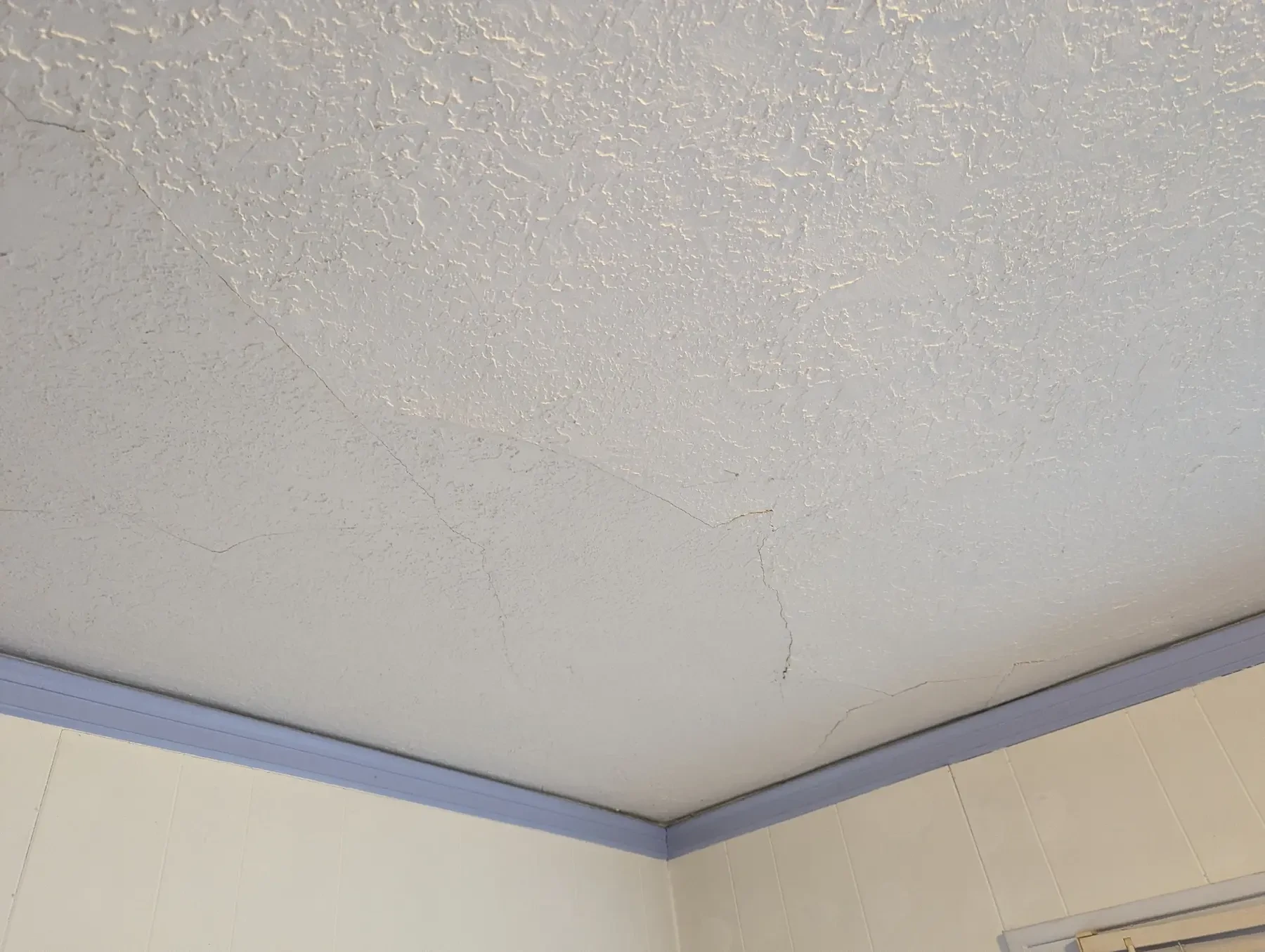
Common Plaster Patch Repair Situations
- Cracks from settling, thermal movement, or age
- Holes from electrical, plumbing, or HVAC work
- Sagging or delaminated sections stabilized and re-coated
- Water-damaged areas after roof or plumbing leak repair
- Sections removed for window or door replacement
- Impact holes and access-opening repairs
- Patches around new recessed lighting or fixtures
- Ornamental plaster details repaired or replicated
- Full wall resurfacing to match adjacent original plaster
- Smoke and fire-damaged plaster restoration
Difficult Textures & Historic Patterns
Specializing in Replicating Difficult Historic Plaster Patterns
The textures found in Portland's historic homes were applied by craftsmen who developed their own methods. Replicating them takes hands-on knowledge — not a spray gun.
Portland's historic neighborhoods — Irvington, Ladd's Addition, Laurelhurst, Eastmoreland, Alameda, King's Heights, and the West Hills — are full of homes with hand-applied plaster textures that were fashionable in the 1910s, 1920s, and 1930s. Skip trowel, sand float, stipple, comb drag, Spanish lace, and dozens of regional variations were applied by individual craftsmen who each had their own hand, their own tools, and their own interpretation of the pattern.
No two of these surfaces are exactly alike — which is exactly what makes them so difficult to patch. A repair that uses the wrong aggregate size, the wrong trowel pressure, or the wrong timing in the application will look like a patch immediately, even under multiple coats of paint. Dream Plastering specializes in analyzing these historic patterns and replicating them by hand, coat by coat, until the repair is indistinguishable from the original surface.
Our process starts with a hands-on study of the existing surface — we look at the aggregate gradation, the trowel marks, the depth of the texture, the sheen level, and the color undertones. We then develop a custom mix and test it on a sample board before touching the wall. Only when the sample matches the original do we begin the repair. This level of care is what separates a seamless restoration from a visible patch.
Skip Trowel
A hand-applied texture created by skipping a trowel across a partially set base coat, leaving irregular raised areas separated by smooth valleys. Common in Portland craftsman and bungalow homes from the 1920s–1940s. Each plasterer's skip trowel pattern is unique — matching it requires replicating the original tool pressure, timing, and hand motion.
Sand Float
A fine-to-medium sand texture floated onto the finish coat with a sponge or wood float, producing a consistently gritty surface. Very common in Portland homes from the 1910s through the 1950s. The aggregate size and float technique vary significantly between homes and eras — matching requires sourcing the right sand and replicating the original float motion.
Stipple
A texture created by pressing a brush, sponge, or roller into wet plaster and pulling it away to create a peaked or dimpled pattern. Stipple textures range from fine and subtle to coarse and dramatic. Common in Tudor revival and colonial revival homes in Portland's historic neighborhoods.
Spanish Lace / Hawk-and-Trowel
A heavier, more sculptural texture applied by throwing or pressing material onto the wall and then lightly troweling the peaks. Creates an irregular, organic surface with significant depth. Found in Spanish eclectic and Mediterranean revival homes throughout Portland and the West Hills.
Smooth Lime Finish
A highly polished, smooth finish coat of lime putty or gauged lime-and-gypsum, common in formal rooms of higher-end Portland homes from the 1890s through the 1930s. Achieving a seamless smooth repair requires multiple coats, careful timing, and a skilled trowel hand — any variation in flatness or sheen is immediately visible.
Comb & Drag Patterns
Decorative patterns created by dragging a comb, notched trowel, or other tool through wet plaster to create linear or geometric designs. Found in period-specific decorative applications in dining rooms, entryways, and formal spaces of early 20th century Portland homes.
Our Expertise
Types of Historic Plaster We Work With
Not all plaster is the same — and the repair approach depends entirely on what was originally applied.
Three-Coat Lime Plaster
The oldest and most traditional system, used on Portland homes built before roughly 1930. Applied in three layers — scratch coat, brown coat, and finish coat — over wood lath. The base coats are a mix of lime putty, sand, and animal hair fiber for tensile strength. The finish coat is a smooth lime putty or gauged lime-and-gypsum blend. Lime plaster is breathable, flexible, and self-healing in minor cracks. Repairs must use compatible lime-based materials — portland cement patches will crack at the boundary and cause further damage.
Gypsum Plaster (Hardwall)
Common on homes built from the 1920s through the 1950s, gypsum hardwall replaced lime as the primary base coat material as it sets faster and requires less skill to apply consistently. The scratch and brown coats are gypsum-based; the finish coat is typically a smooth white coat of gauged lime and gypsum. Gypsum plaster is harder and less flexible than lime plaster, which means it cracks differently and requires a different repair strategy — particularly around windows, doors, and structural movement points.
Veneer Plaster
A thinner, faster system introduced in the 1960s and 1970s as an alternative to full three-coat work. Applied in one or two thin coats over a gypsum board base (blueboard), veneer plaster creates a hard, smooth surface that is more durable than standard drywall but requires a skilled plasterer to apply. We repair veneer plaster on mid-century and later homes, matching the original smooth or sand finish and blending repairs invisibly into the surrounding surface.
Keene's Cement Finish
A very hard, dense finish plaster made from calcined gypsum, used on high-traffic surfaces, bathrooms, and commercial interiors in the early-to-mid 20th century. Keene's cement is extremely durable and water-resistant compared to standard lime or gypsum finishes. It is also difficult to repair without visible seams because of its density and the way it takes a trowel polish. We have experience working with Keene's cement on historic Portland commercial buildings and high-end residential interiors.
Textured & Patterned Finishes
Many Portland homes from the 1910s through the 1940s feature hand-applied textured finishes — skip trowel, sand float, stipple, comb, and various regional patterns that were fashionable in different eras. These textures were applied by craftsmen who developed their own techniques and tools, which means no two homes are exactly alike. Matching a historic texture requires hands-on experience with the original methods — not a spray gun and a bucket of texture compound.
Ornamental & Molded Plaster
Decorative plaster elements — crown moldings, ceiling medallions, corbels, arches, and relief panels — were common in higher-end Portland homes and commercial buildings of the early 20th century. These elements were either run in place with a profile template or cast in molds and applied to the surface. We repair, restore, and replicate ornamental plaster details, matching the original profile and texture as closely as possible.
Finish Options
Custom Color Tinting for Plaster Finishes
Depending on the type of plaster finish being applied, we can tint the finish coat to virtually any color of your choice — eliminating the need for a separate paint application and giving you a surface that holds color throughout its full depth rather than just on the surface.
Integral color is available in lime finish coats, gypsum finish coats, and veneer plaster applications. Pigments are mixed directly into the finish material before application, which means the color is part of the plaster itself — not a coating on top of it. Minor chips and abrasions remain the same color throughout, and the surface ages more gracefully than painted plaster.
Color tinting is particularly well-suited to decorative plaster applications, accent walls, arched niches, and any surface where you want a distinctive finish without the maintenance of painted plaster. We work with you to select a color and finish combination that complements your home's existing palette and architectural character. Custom color samples are available on request before any work begins.
Note that integral color in plaster will vary slightly from batch to batch, and an exact match to a painted surface or a specific paint chip is not always achievable. We will discuss realistic expectations during the estimate process and provide samples so you can make an informed decision before work begins.
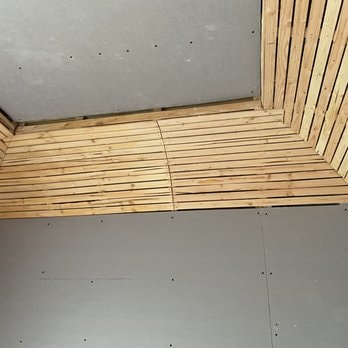
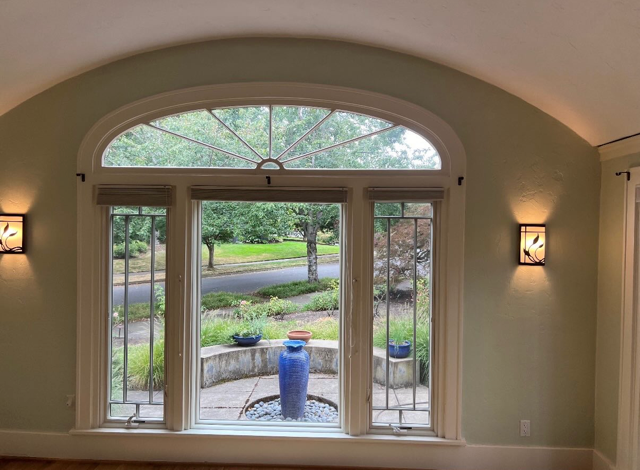
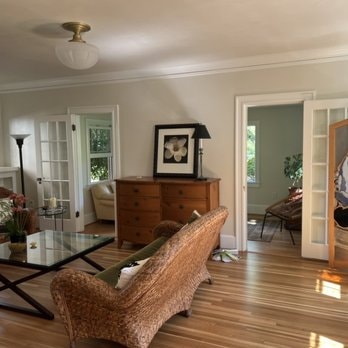
Project Photos
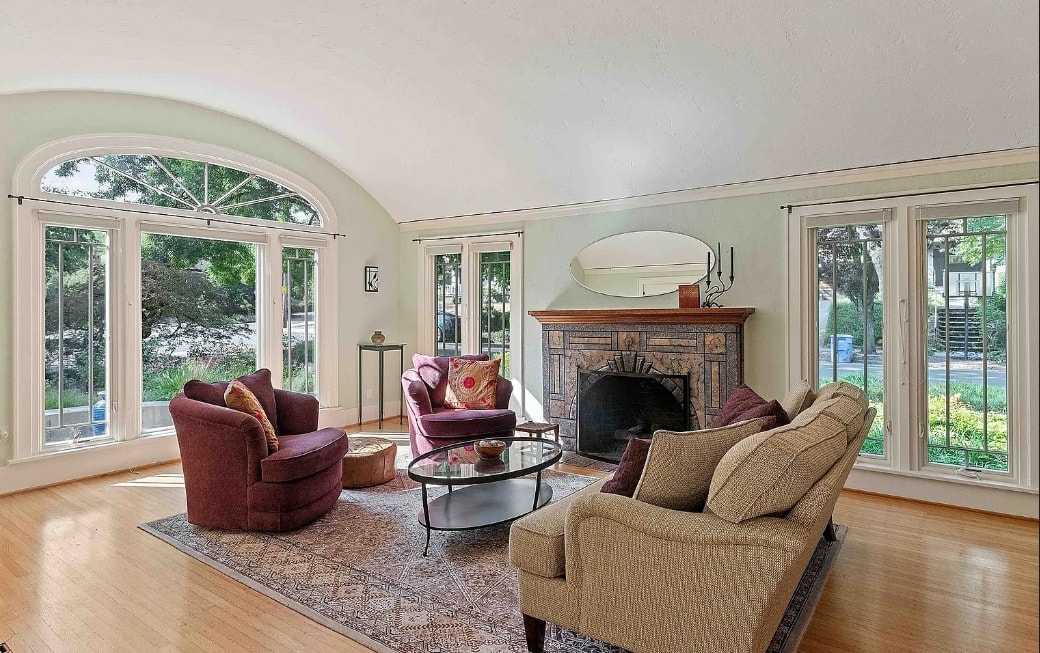
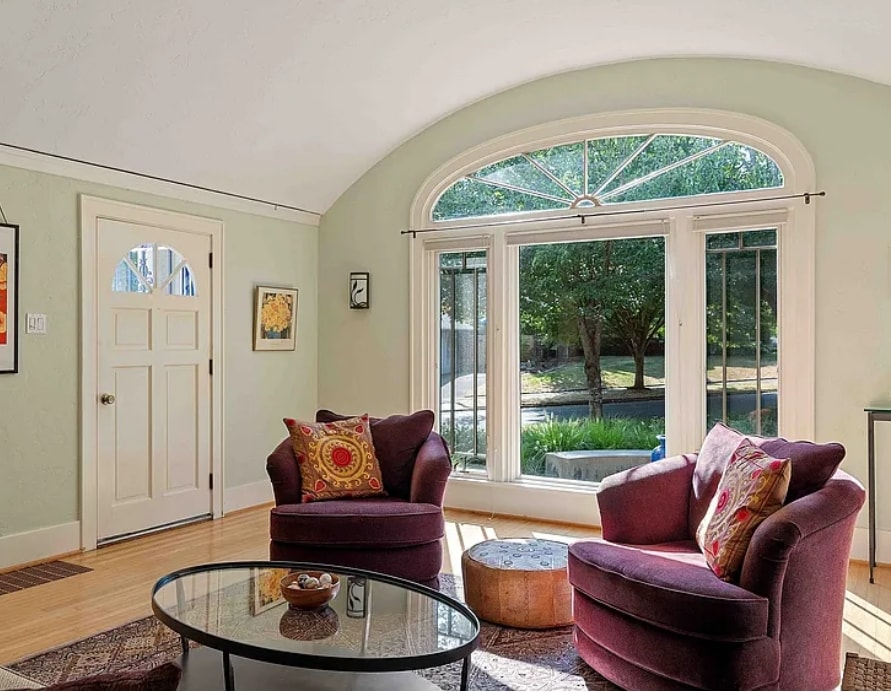
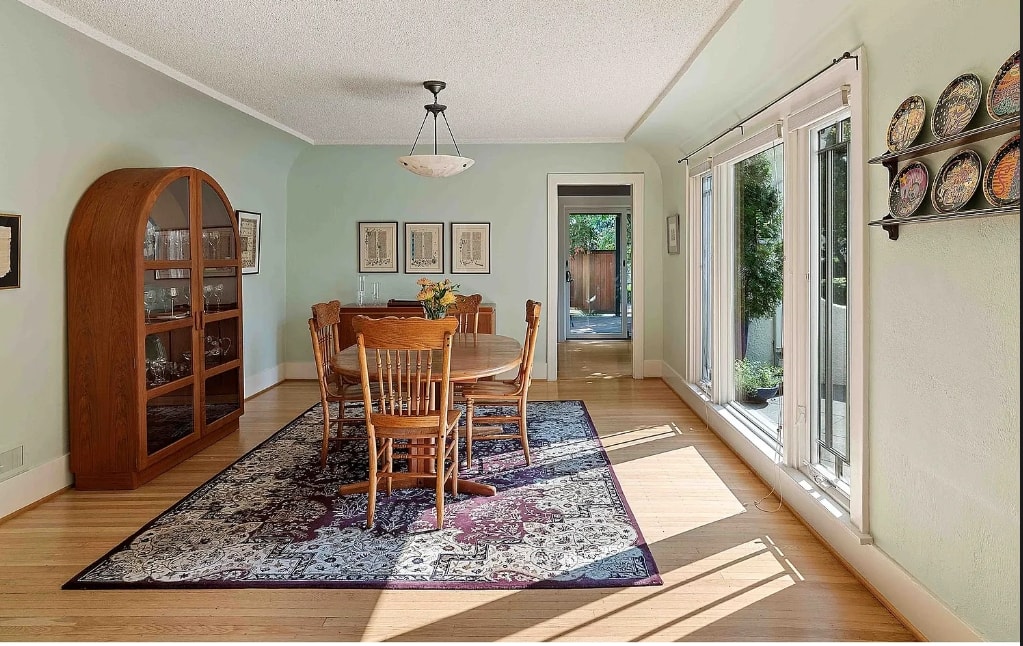
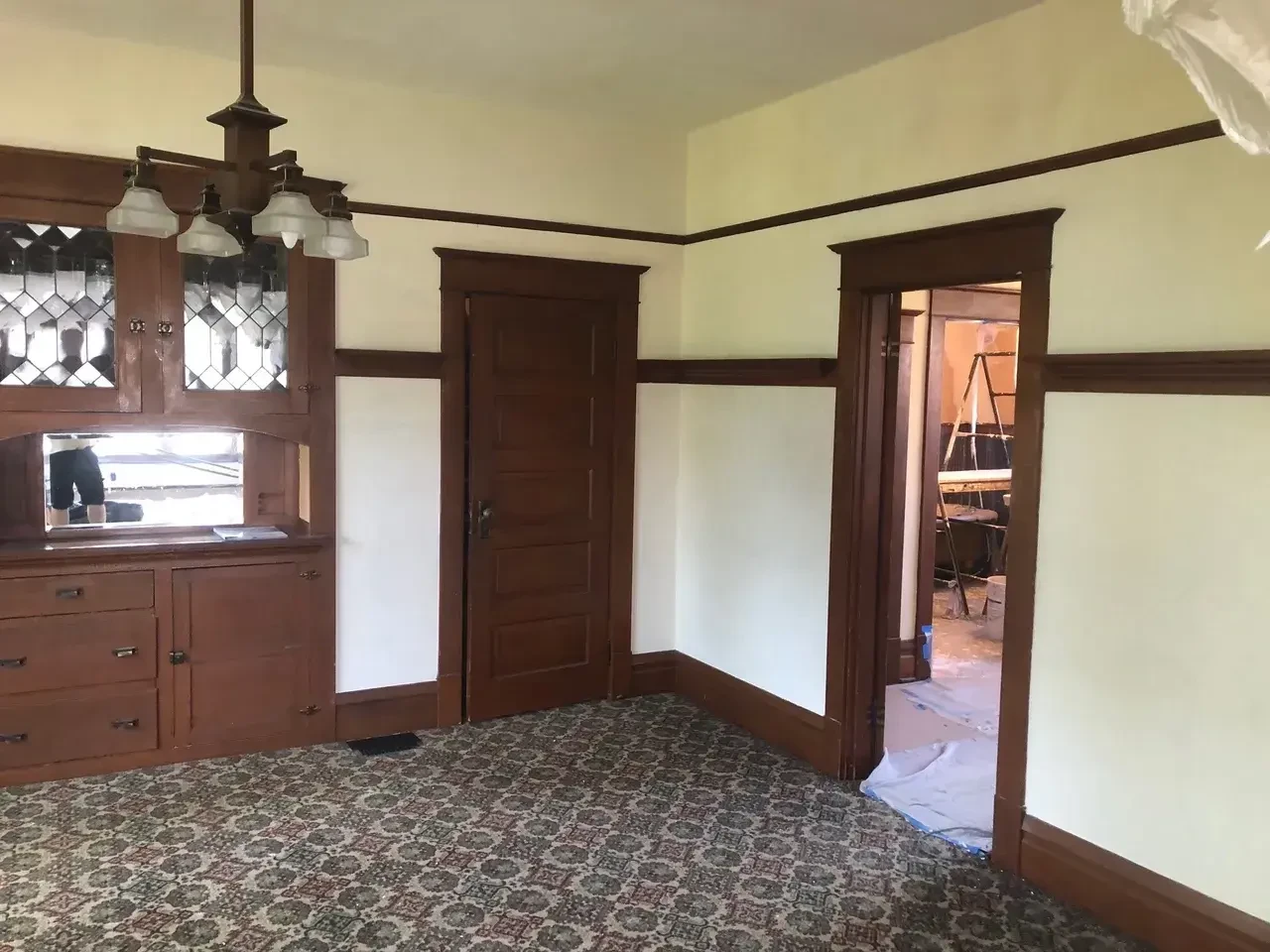
Historic Homes We've Restored




Services
What We Repair & Restore
- Historic lath-and-plaster restoration
- Residential plaster patch repairs — no job too small
- Replication of difficult historic plaster patterns and textures
- Three-coat lime plaster repair
- Gypsum hardwall plaster repair
- Veneer plaster repair and resurfacing
- Keene's cement finish repair
- Plaster wall crack repair
- Plaster ceiling crack repair
- Loose plaster stabilization
- Sagging plaster ceiling repair
- Wood-lath and metal-lath reinforcement
- Water-damaged plaster restoration
- Fire- and smoke-damaged plaster repair
- Plaster hole and access-opening repairs
- Smooth plaster walls and ceilings
- Seamless texture and color matching
- Skip trowel, sand float, stipple and Spanish lace texture matching
- Ornamental and molded plaster restoration
- Crown molding and ceiling medallion repair
- Integral color tinting for finish coats
- Complete wall and ceiling resurfacing
- Curved wall, arch and rounded-corner restoration
- Historic stucco and plaster restoration in Portland, OR
- New plaster applications
Our Credentials
- Decades of hands-on plastering experience
- Oregon CCB #213351
- Washington Contractor License #DREAMPL783MG
- Licensed, bonded & insured
- Residential patch repairs — no job too small
- Specialists in difficult historic plaster patterns
- Seamless texture & color matching
- Historic Portland home experience
- Integral color tinting available
- Ornamental plaster restoration
- Historic stucco and plaster restoration Portland, OR
Ready to get started?
Get a Free Virtual Estimate
Whether you have a single cracked ceiling or a full room in need of restoration, we can help. Contact Dream Plastering for a free virtual estimate — we serve Portland, Oregon, and communities throughout the Pacific Northwest.
Part of Dream Plastering's full range of stucco, EIFS & plaster services.
View all services